admin
admin 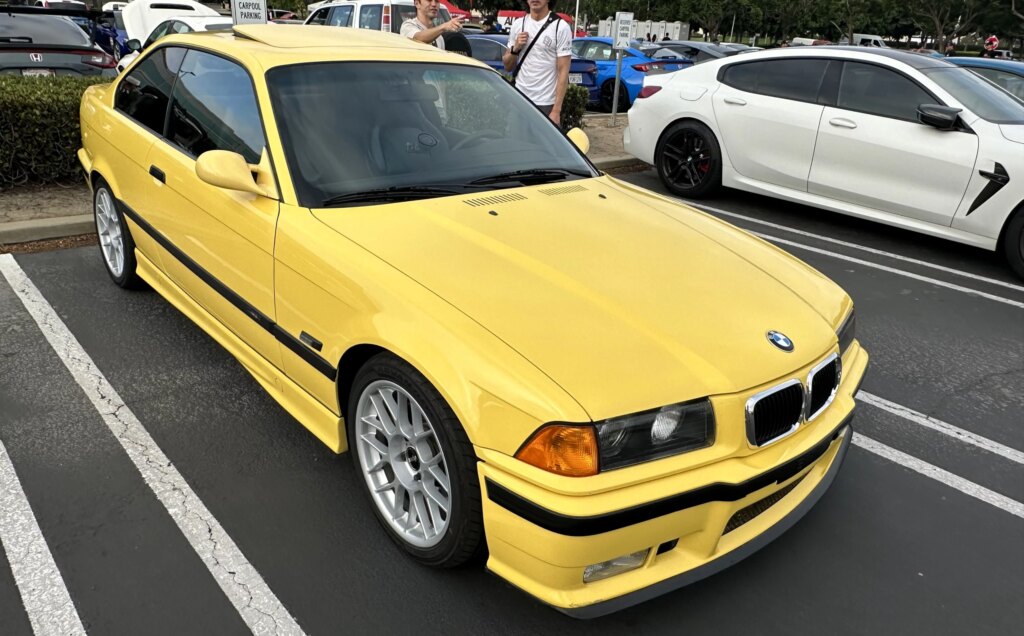
Founded in 1978 as a grueling race from Paris to Dakar, Senegal, the Dakar Rally is an off-road endurance event that covers thousands of kilometers across extreme terrain. Today, it’s held in Saudi Arabia and features cars, trucks, and even motorcycles competing over 14 days. The course for 2026 looked like this, below.
Over three decades ago, BMW engineers were inspired by the rally (which has been reputed to be the “world’s toughest motor race”) by launching a color called Dakar Yellow (paint code 267) on a performance variant of its third-generation 3 Series. And today, Dakar Yellow BMWs still have a cult following, as well as strong collector appeal.
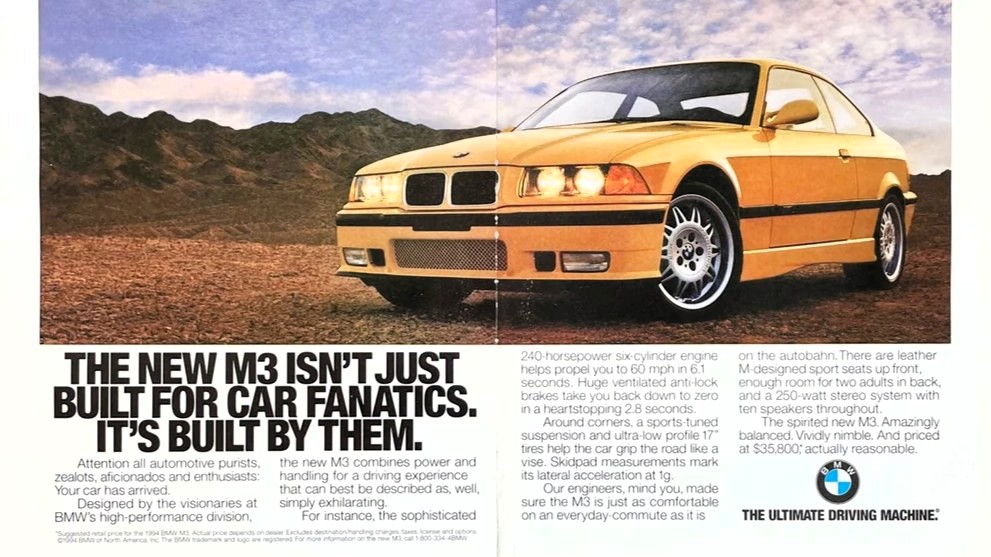
The E36 chassis of the 3 Series debuted in the United States in 1992 as the brand’s “compact executive car.” For those seeking a more engaging driving experience, the M3 performance variant arrived for the 1995 model year and distinguished itself from standard 3 Series by its body work, wheels, interior, and (most importantly) performance credentials. The E36 M3 was initially available only as a coupe, but sedan and convertible variants were added for 1994-95
A brochure discussing BMW’s “M” models in the late 1990s said, “The letter M is BMW’s pledge to supreme performance in technology and on the road. Focusing carefully on a whole range of innovative ideas and developments, BMW M creates that typical M mobility which thrills so many customers so consistently day-to-day. Supreme competence in technology has made the letter M the synonym for high performance in the BMW range.”
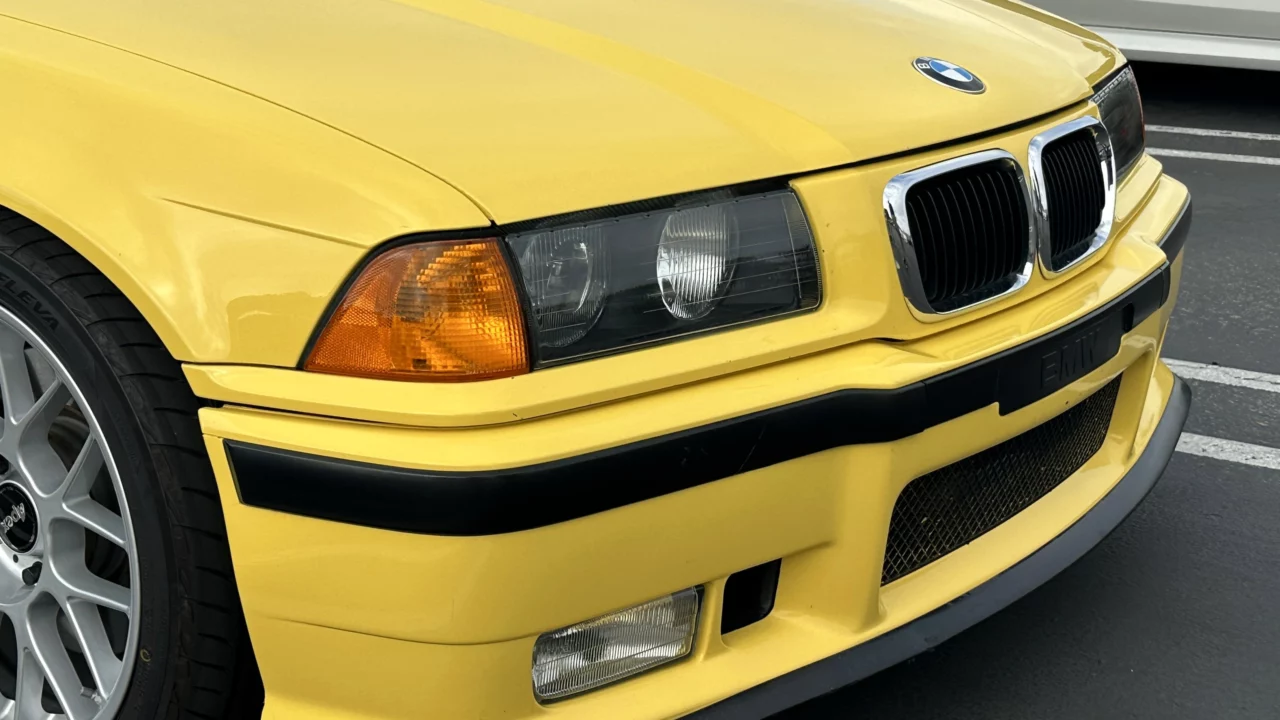
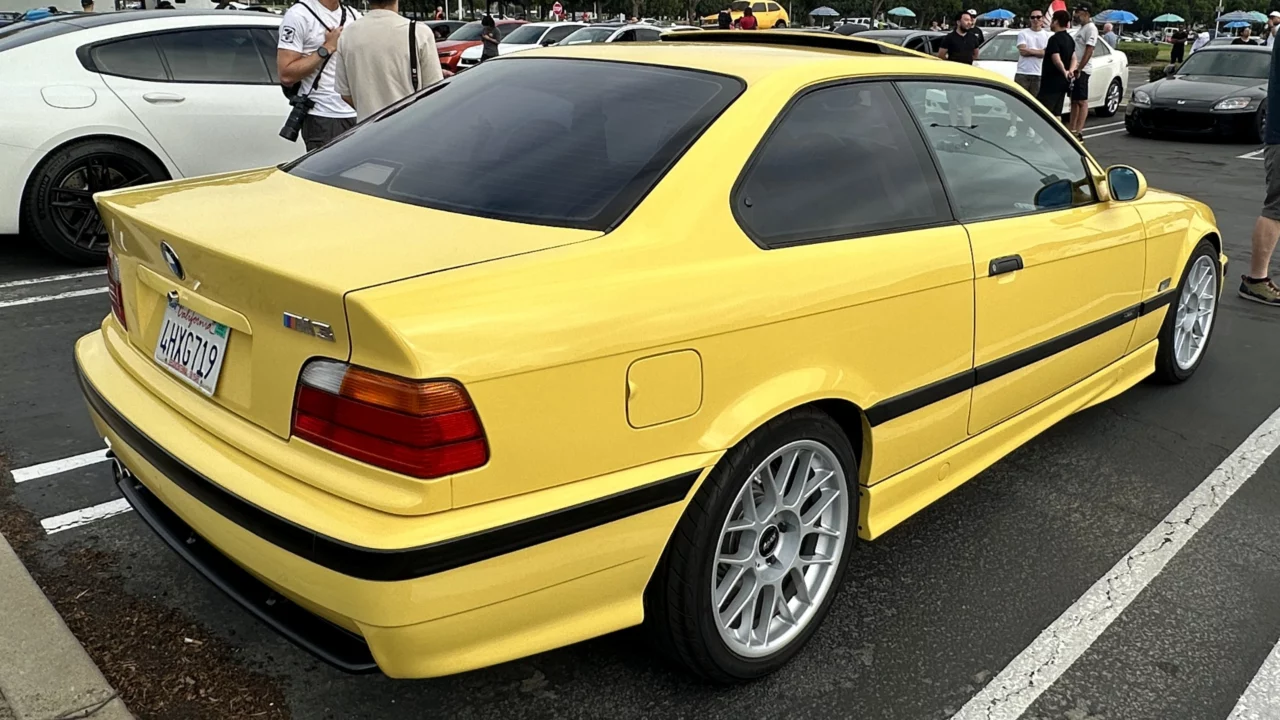
I recently encountered a Dakar Yellow 1995 M3 coupe on display at a Honda Cars, Bikes, & Coffee event in California, and it was in remarkable shape for its age. Exterior features included chin spoiler, fog lamps, color-keyed side skirts, body side moldings, sport side mirrors, power sunroof, and twin polished exhaust tips. This one has been modified with a set of Apex forged aluminum wheels.
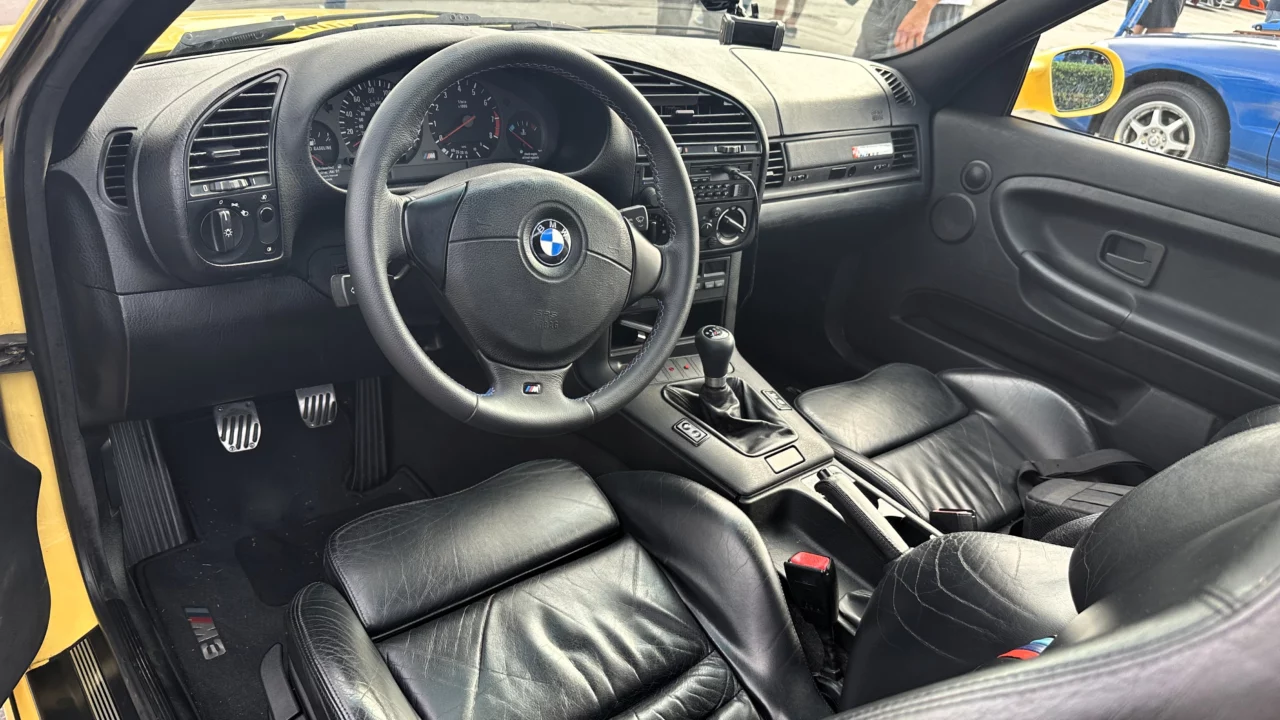
The cockpit of the M3 featured a user-friendly, intuitive layout. Key to the formula were the heavily-bolstered “Vader” sport seats, M-stitched three-spoke steering wheel, analog gauges, dual-zone climate control, aluminum pedals, and M-embroidered floor mats.
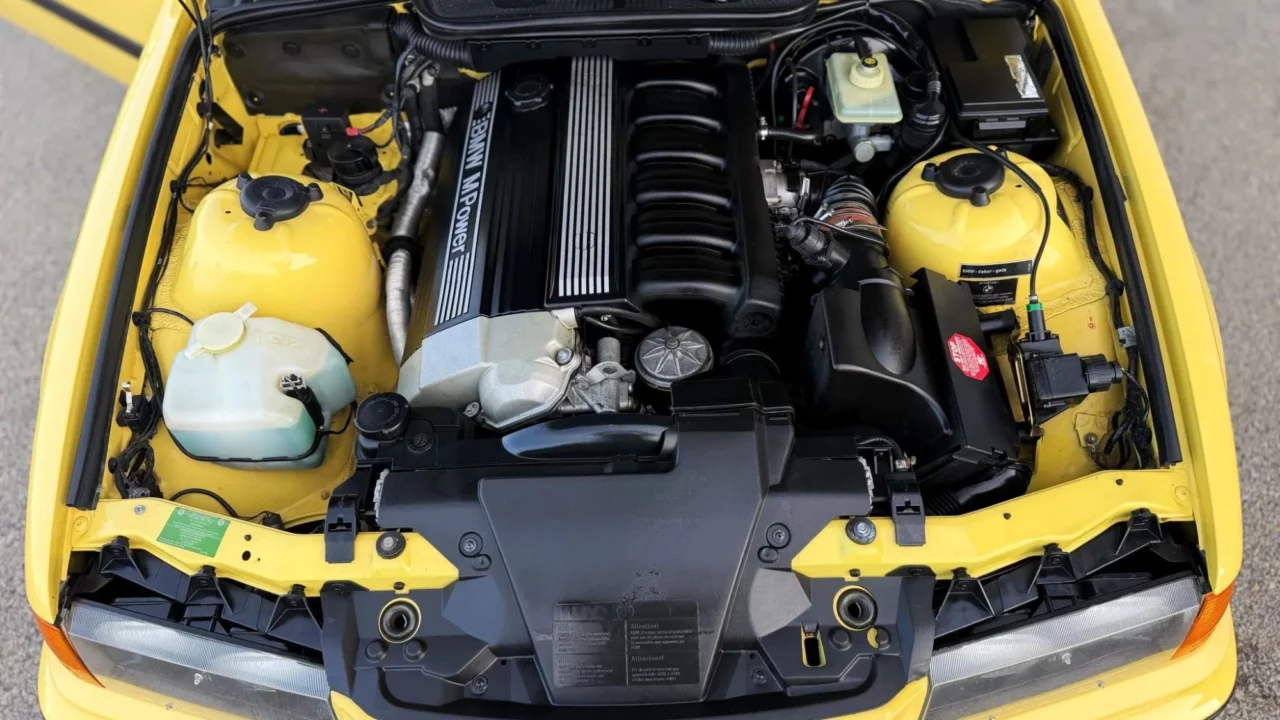
While standard 3 Series models came with a 2.5-liter inline-six with 189 horsepower, U.S.-spec M3 models received a significantly stronger “S50B30US” 3.0-liter inline-six that was rated at 240 horsepower and 225 lb-ft of torque, though other markets received a 282-horse version. A five-speed manual transmission and limited-slip differential sent power to the rear wheels.
The 1990s-era M3 delivered an analog driving experience that embodied BMW’s “Ultimate Driving Machine” slogan. Three decades later, it’s a distinctive and desirable performance car. It might not be the best vehicle to tackle the Dakar Rally, but its on-street dynamics make up for that.